
Izymes 2025 Wrap: From Apps to Outcome-Led Solutions
Izymes 2025 Wrap: From Apps to Outcome-Led Solutions
The biggest change at Izymes in 2025 was not a single product launch. It was a change in how we think about value.
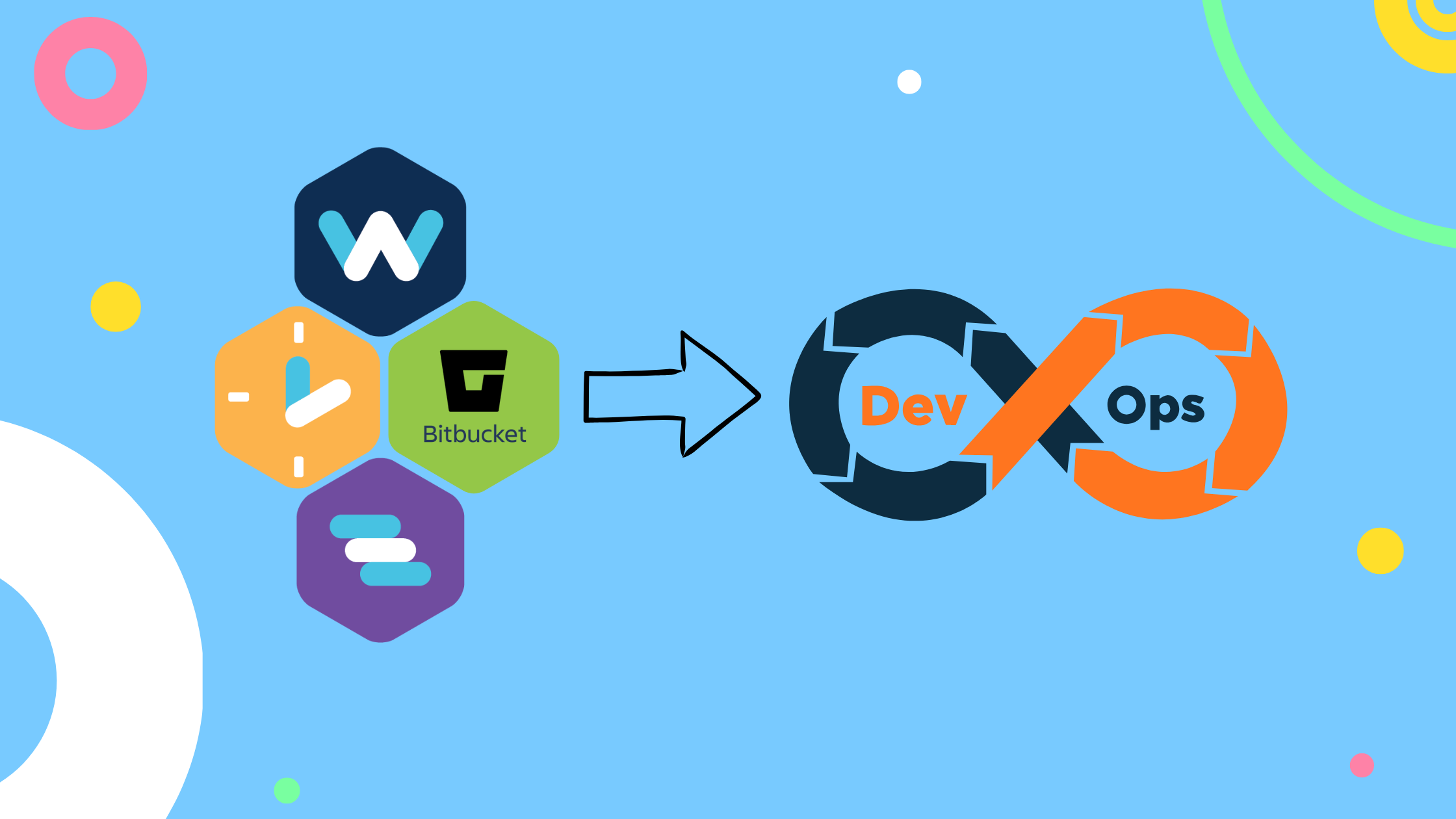
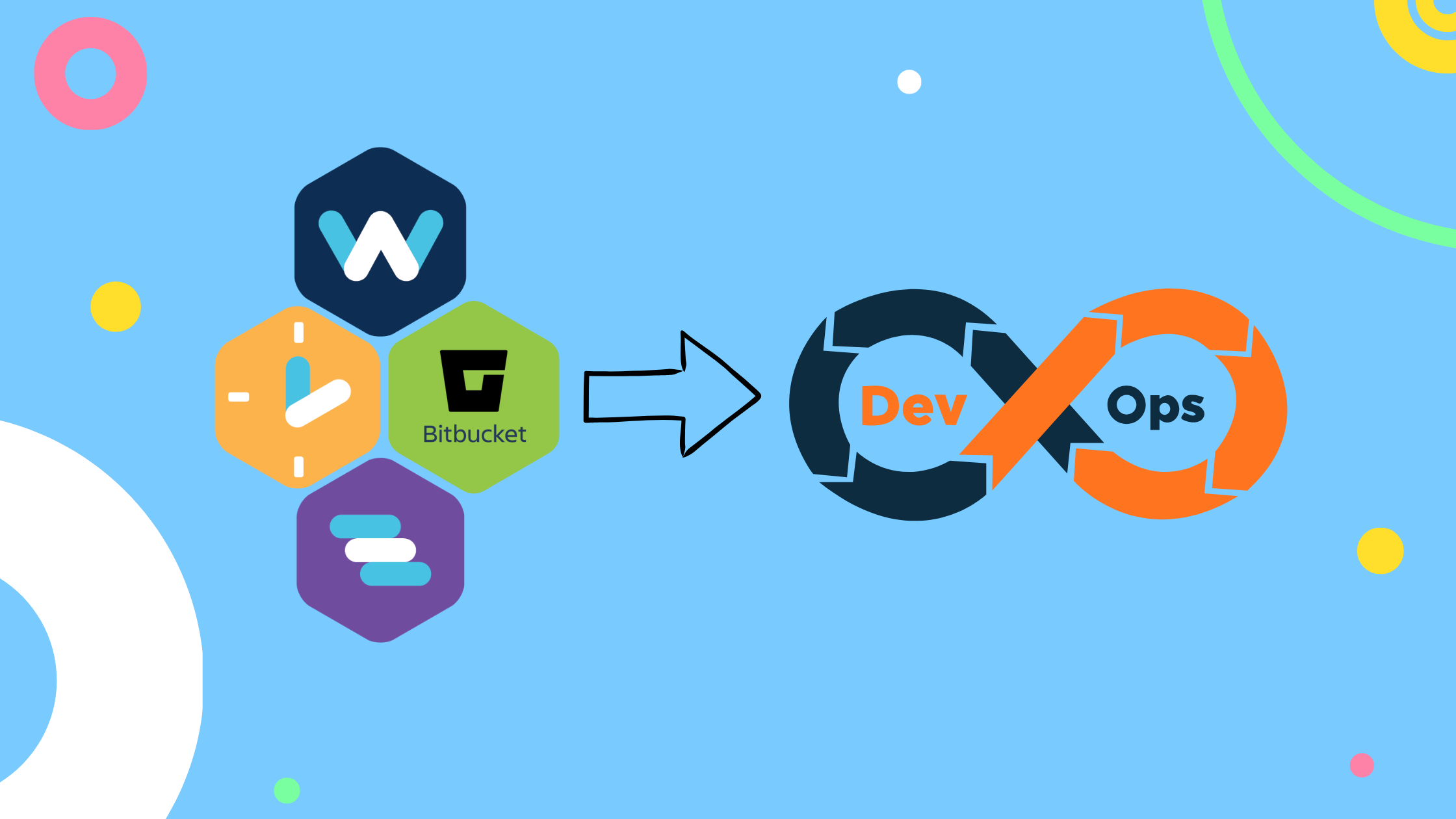
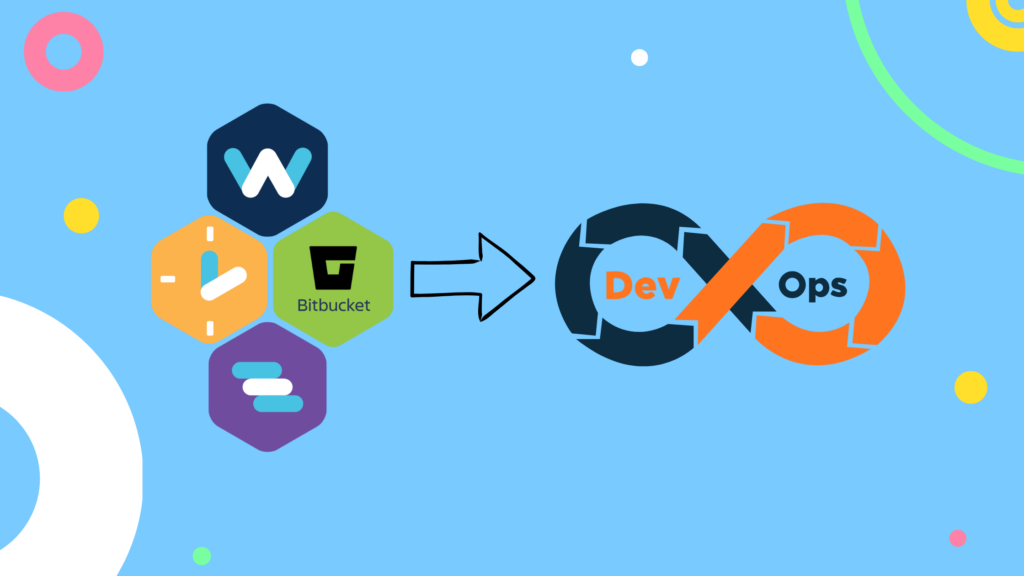
We stopped leading with individual app features and started packaging our Bitbucket capabilities around customer outcomes that Atlassian Solution Partners can sell and deliver repeatedly: faster pull-request flow, stronger release readiness, better traceability and more consistent governance.
That shift shaped how we worked with partners, how we showed up at Team ’25 in Anaheim and Barcelona, how we approached our Compliance Alliance workshops, and how we interpreted Atlassian’s move toward AI-powered Collections and a more hybrid future for Bitbucket.
Looking back, our main lesson from 2025 was simple:
Marketplace apps become more valuable when they are part of a clear operating model rather than presented as isolated features.
Key Takeaways From Izymes in 2025
- We moved from selling standalone app capabilities toward partner-ready, outcome-led service bundles.
- We launched Advanced Content Status & Labels for Confluence, expanding beyond our Bitbucket portfolio.
- Team ’25 reinforced two ecosystem trends: AI becoming embedded across Atlassian and Collections becoming a major packaging model.
- Our Compliance Alliance sessions reinforced demand for auditability, governance and traceability without unnecessary delivery friction.
- Atlassian’s Data Center changes made Bitbucket’s exception especially important: Bitbucket Data Center remains part of Atlassian’s long-term strategy through a hybrid licensing model.
The Big Theme: From “Apps” to Service Bundles
For years, Marketplace vendors—including us—have tended to market like this:
- “Here’s an app that enforces pull-request rules.”
- “Here’s another app that helps you find the right pull requests.”
But that is not usually how an Atlassian Solution Partner starts a customer conversation.
Partners are more likely to talk about outcomes:
- “We’ll tighten up your release process.”
- “We’ll reduce pull-request bottlenecks.”
- “We’ll improve governance and make audit evidence easier to produce.”
So in 2025 we leaned much harder into a different framing:
Izymes apps as accelerators inside partner-led service offerings.
The model we began refining has three layers:
- Outcome & story — what problem is being solved and what good looks like.
- Partner services — assessment, design, implementation, enablement and follow-up.
- Apps as accelerators — the rules, guardrails, workflows and visibility that help make the agreed process repeatable.
It sounds like a small change in packaging, but it removes a large translation step for partners:
“How do I turn these tools into something I can explain, scope, price and deliver?”
We have since expanded that thinking into a more detailed framework for turning Bitbucket apps into service bundles for Atlassian Solution Partners.
What We Shipped: Advanced Status Labels for Confluence
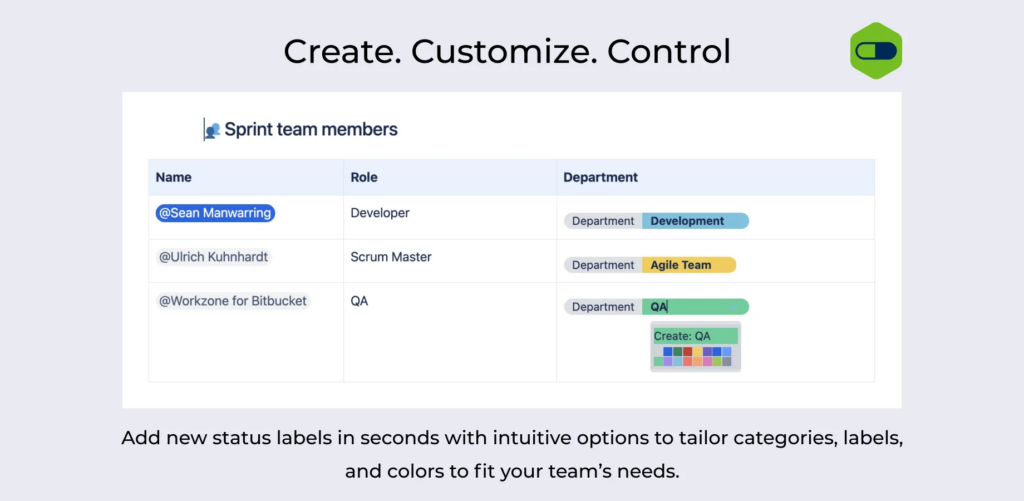
We also launched Advanced Content Status & Labels for Confluence, expanding our footprint beyond Bitbucket.
On the surface, that was “a new app”.
In the context of the year’s bigger theme, it fitted the same philosophy: help teams make work more visible, structured and repeatable.
In Bitbucket, that might mean making reviewer and merge policy explicit. In Confluence, it can mean using structured status information such as Status, Priority, Scope or Approval Stage so people can understand and search content more consistently.
That same product has since evolved with features such as global and space-level pill management, structured search and real-time updates—giving us another example of how a simple interface can support a broader governance model.
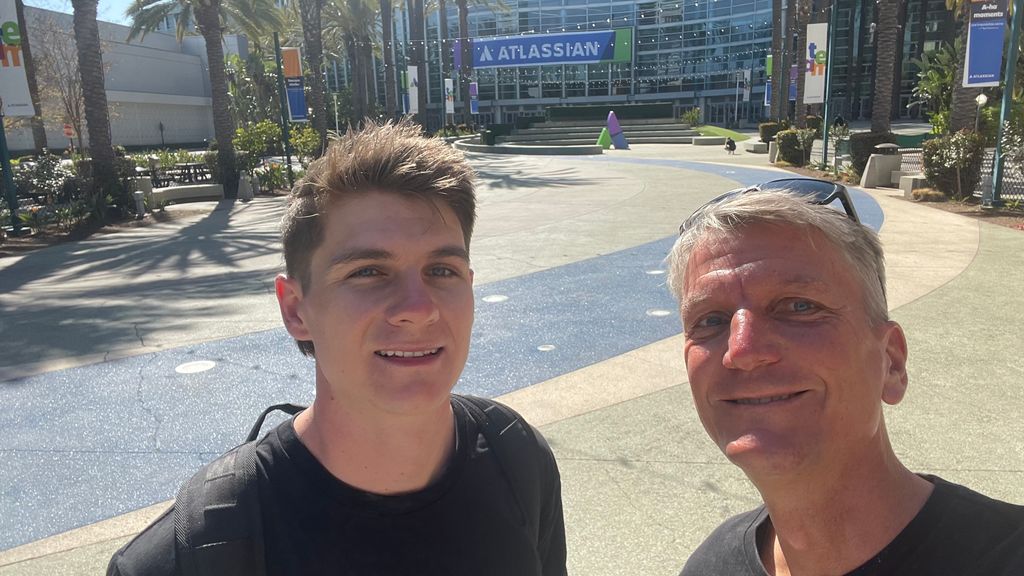
Team ’25 Anaheim: AI and the System of Work Became the Main Story
Team ’25 in Anaheim felt like the point where Atlassian stopped treating AI as an adjacent feature and started positioning it as a core layer of the platform.
Rovo Moved Front and Centre
Atlassian announced “Rovo for all”, bringing Rovo Search, Chat and Agents into Jira, Confluence and Jira Service Management subscriptions and making human-AI collaboration a much more central part of the Atlassian story.
Collections Became a Clearer Packaging Model
Atlassian also introduced the Teamwork Collection, combining Jira, Confluence, Loom and Rovo agents into one solution rather than presenting each capability in isolation.
That packaging direction stood out to us because it mirrored what we were seeing at a smaller scale with Solution Partners: customers often understand an integrated outcome more easily than a disconnected list of products.
What Anaheim Meant for Us
Our takeaway was not that Marketplace vendors should copy Atlassian’s commercial model.
It was that the ecosystem was increasingly moving toward connected outcomes rather than isolated tools.
That made the service-bundle direction feel less like positioning and more like a practical response to how customers and partners were beginning to buy, deploy and explain Atlassian solutions.
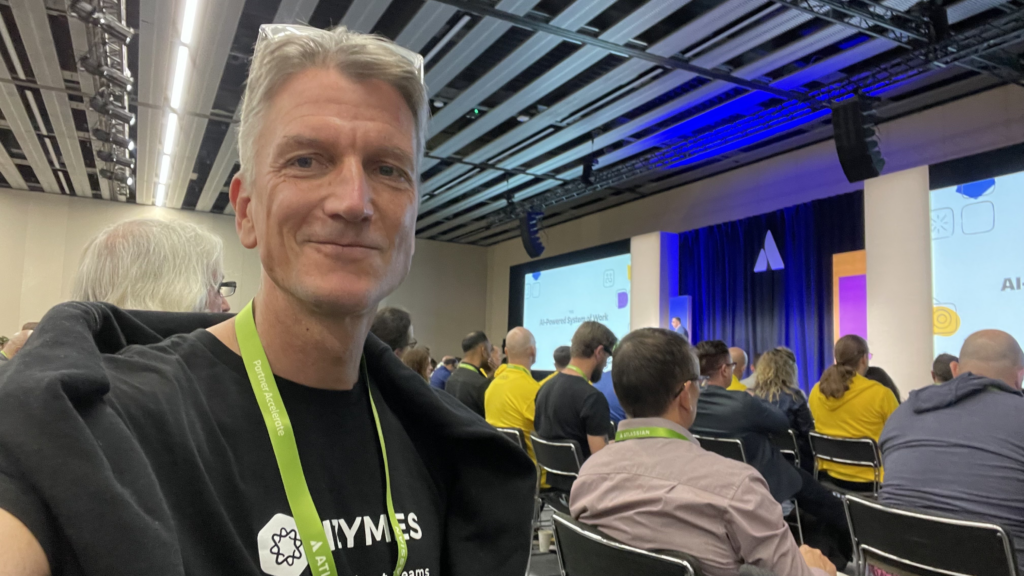
Team ’25 Europe: Rovo Everywhere and More Collections
By Team ’25 Europe in Barcelona, the direction had become even clearer.
Atlassian described Rovo as moving across apps, workflows and teams, and expanded the Collections model further.
The Software Collection brought together Bitbucket, Pipelines, Rovo Dev, Compass and DX around the software-development lifecycle, while the Service Collection brought together Jira Service Management, Customer Service Management, Assets and Rovo agents.
Our shorthand takeaway from Barcelona became:
- Rovo is becoming an intelligence layer.
- Collections are becoming an important solution-packaging layer.
- Partners still need to provide the outcomes layer.
That last point matters most to us.
Products and AI can provide capabilities, but customers still need someone to translate those capabilities into a working operating model that fits their organisation.
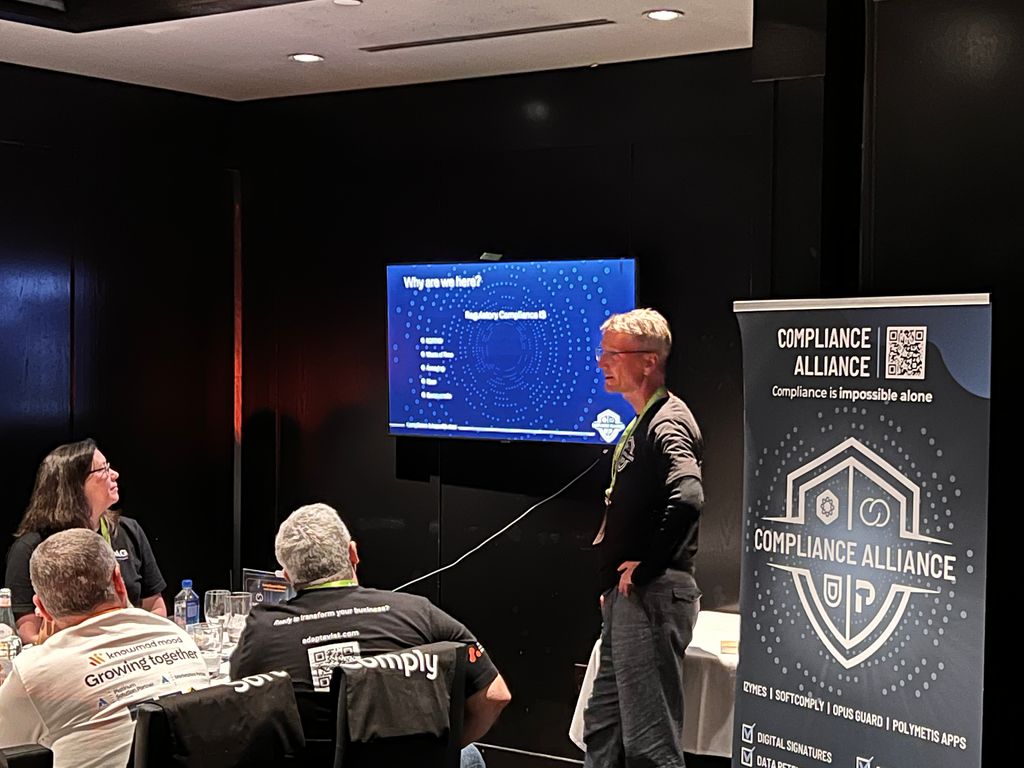
The Compliance Alliance Workshops: Governance Without Grinding Delivery to a Halt
One of the highlights of the year was running Compliance Alliance workshops around both Team ’25 events and talking with people across the Atlassian ecosystem about what better compliance should actually look like in day-to-day work.
The repeated theme was not:
“We need more features.”
It was:
- auditability without unnecessary friction;
- governance without slowing every change;
- traceability that does not depend on tribal knowledge.
That helped sharpen the thinking behind service concepts such as PR Governance & Compliance and Release Readiness & Traceability.
The lesson for us was that governance is easier to adopt when it is designed into the workflow people already use rather than added as a separate administrative exercise afterwards.
The Biggest Market Shift: Data Center End of Life, With a Critical Bitbucket Exception
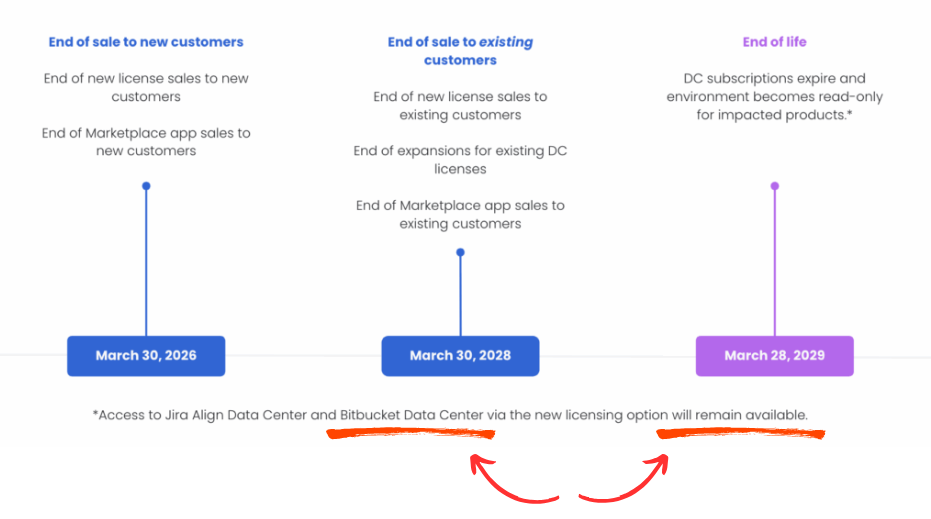
Another major shift in 2025 was Atlassian’s decision to set a formal end-of-life timeline for impacted Data Center products.
According to Atlassian’s current Data Center end-of-life guidance, the phased wind-down begins on March 30, 2026 and impacted Data Center products reach end of life on March 28, 2029.
But there is an important exception for our part of the ecosystem:
Bitbucket Data Center and Bamboo Data Center are not included in that end-of-life.
Atlassian says existing Bitbucket and Bamboo Data Center customers will transition toward a Bitbucket Hybrid License, allowing organisations to continue operating self-managed source-code and CI/CD environments while also accessing Bitbucket Cloud capabilities.
That matters for Izymes because much of our portfolio and partner work remains Bitbucket-centric.
It means:
- self-managed Bitbucket remains part of the long-term Atlassian landscape;
- hybrid environments are becoming a genuine operating model rather than simply a migration stage;
- partners may increasingly need services that work across Cloud and self-managed Bitbucket environments;
- Marketplace vendors need to be precise about which apps and capabilities apply to Cloud, Data Center or both.
For us, that again points toward repeatable partner services rather than one-off app implementations.
What 2025 Set Up for Izymes in 2026
If 2025 was the year we changed the way we framed our products, 2026 is about making that model more useful in real partner opportunities.
That means:
- more bundle enablement, including templates, reference configurations and delivery patterns;
- deeper collaboration with Solution Partners on real customer opportunities;
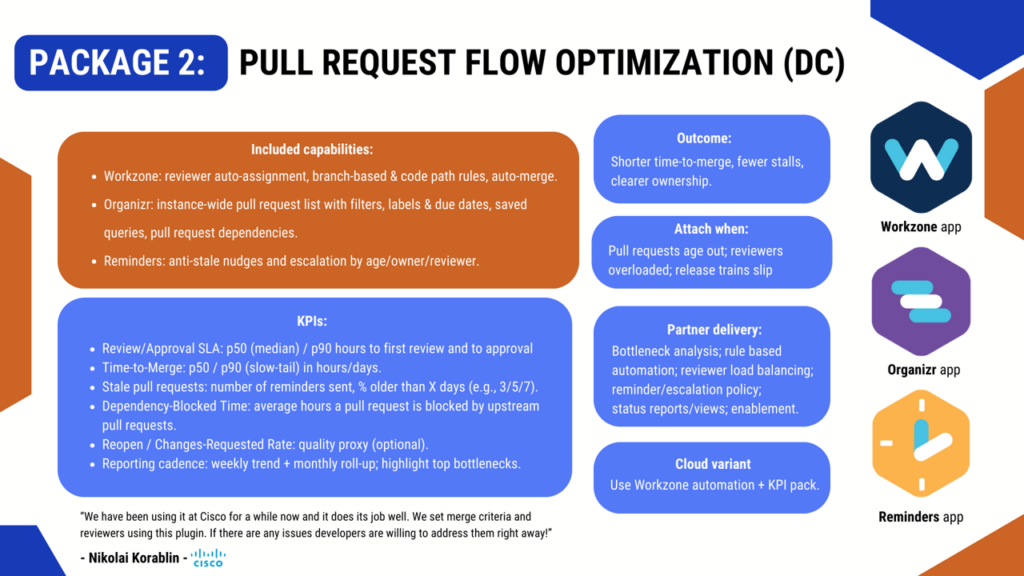
- clearer “sell the outcome” stories around Bitbucket governance, release readiness and pull-request flow;
- better alignment between Cloud, Data Center and hybrid Bitbucket use cases;
- continued investment in products that make workflows easier to understand, enforce and repeat.
The important point is that “packaging solutions” does not mean pretending apps are services.
It means putting each app in its proper place:
The customer outcome comes first. The partner owns the service. The app helps make the resulting workflow repeatable.
If You’re an Atlassian Solution Partner
If you are building or refining a Bitbucket / DevOps service portfolio, our more detailed guide explains how we structure Bitbucket service bundles for Atlassian Solution Partners.
You can also:
- Download the Service Offering Deck — see example bundles, positioning and talking points that can be adapted to your practice.
- Explore the Izymes Partners Portal — access partner resources, demos, training, support and commercial information.
- Talk to us about a customer opportunity — tell us the customer problem and we can help identify where our apps fit, and where they do not.
- Book a call to explore a joint offering — discuss how the bundles could map to services you already provide.
Because the goal was never simply to “install some apps”.
Our biggest lesson from 2025 was that the apps become more valuable when they support something the customer and partner already understand:
a named, outcome-driven service with a repeatable way to deliver it.
By Sean Manwarring, Head of Marketing at Izymes
Published 7 January 2026 · Updated 13 October 2026